
"bitter roast"
10000 article(s) found

Different roasting degrees of coffee beans changes in acidity and bitterness which roasted coffee should be chosen
For professional baristas, please pay attention to the bitterness of coffee in the coffee workshop (Wechat official account cafe_style). The bitterness of coffee varies with the degree of roasting. Of course, the original characteristics of coffee beans are also involved, but to some extent can be controlled by roasting. Let's take a look at the bitterness of coffee beans depending on the degree of roasting. At first, coffee is not bitter. We usually see coffee.

Why does coffee taste bitter? How does roasting affect the bitterness of coffee?
The bitterness of coffee varies according to the degree of roasting. Of course, it also includes the original characteristics of beans, but to some extent it can be controlled by baking. Here, let's take a look at the bitterness of coffee beans that vary according to roasting conditions. First of all, coffee is not bitter. The coffee beans we usually see are roasted. The brown and fragrant smell is caused by the heat produced by baking.
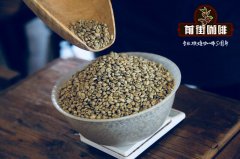
The balance of bitterness and sourness in coffee roasting varies with the depth of roasting
Coffee Roasting The balance of bitterness and sourness changes with the depth of roasting. Understanding the characteristics of roasting Find your favorite coffee It is generally believed that green beans determine 80% of the taste of coffee, and the remaining 20% is determined by roasting. The most important thing is what kind of baking degree you bake. Beans Over-roasted coffee will only highlight bitterness; under-roasted coffee will become too sour. According to the characteristics of beans,

What is the relationship between coffee sour, sweet, salty and bitter and roasting-an introduction to the blending of Italian coffee
What is the relationship between coffee sour, sweet, salty and bitter and roasting-espresso blending introduces the bitterness of ① moderate roasting (chlorogenic acid lactone) and ② deep baking bitterness (vinyl catechol oligomer). ① is the so-called authentic bitterness of coffee; ② is the bitterness of deep-roasted coffee such as espresso. Therefore, medium and deep baking is an intermediate flavor between ① and ②.
Where does the bitterness come from? Does roasting add bitterness to coffee?
Professional coffee knowledge exchange More coffee bean information Please pay attention to coffee workshop (Weixin Official Accounts cafe_style) Front Street Coffee Brief Description Where does the bitterness in coffee come from? Does roasting add bitterness to coffee? When baked, chlorogenic acid changes and breaks down. Although the main bitterness in coffee comes from chlorogenic acid, chlorogenic acid itself is not bitter! Chlorogenic acid when baked

How does the coffee taste when it's deep roasted?
Deep roast coffee differs from other coffees in the mixing process of the basic tastes. Due to the intense thermal decomposition of coffee beans, most of the sugar in coffee is broken down. Loss of sweetness in taste. Due to the addition of carbolic compounds, sweetness is replaced by bitterness. Bitterness is often misunderstood. Bitterness in food is often regarded as something bad. However, in certain foods,
Why is Japanese coffee so bitter? How do you extract the sweetness of deep-roasted coffee beans?
If you are a friend born before the millennium, the initial impression of black coffee is probably the same bitter taste, and the only coffee that is not bitter is Nestle 2 in 1. This uniform bitter coffee is actually caused by the dark roast coffee beans popular in the last century. It's lighter than the floral fruity flavor that's now being promoted.

The alternative aroma of Japanese charcoal-roasted coffee in bitterness
Many friends are leaving messages to know about charcoal-roasted coffee, which is a deeply roasted coffee with a very bitter taste in the island. We have all heard of how big the brains of islanders are. They are very good at creating their own things, and so is coffee! Charcoal roasted coffee, also known as bitter charcoal roast in Japan, is a kind of Japanese coffee, which refers to a taste, almost

The difference between charcoal-roasted coffee and ordinary coffee. How do charcoal-roasted coffee beans taste good? is it bitter?
Professional coffee knowledge exchange more coffee bean information please follow the coffee workshop (Wechat official account cafe_style) suffering can also be the extreme! Japanese charcoal roasted coffee, bitter alternative coffee charcoal roasted coffee refers to the island after a deep roasting, the taste of extremely bitter coffee. How big is the brain of the islanders?
Why is black coffee bitter? How to make dark roasted coffee beans?
Now go to the coffee shop to order hand brew, maybe eight of the ten beans are sour. However, there are still many "ascetics"-like coffee friends who only like to drink bitter coffee. Where is the charm of this bitter coffee? Why are there still many coffee lovers obsessed with bitter coffee at a time when sour coffee is widely sought after? Where does coffee bitterness come from?
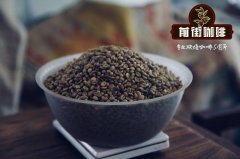
Is caffeine the source of coffee bitterness? The bitterness of coffee comes from roasting
For more information on coffee beans, please follow the coffee workshop (official Wechat account cafe_style). Everyone thinks that caffeine is the reason for the bitter taste of coffee, but in fact, caffeine accounts for only 10% of the bitter ingredients. As we said earlier, the concentration of caffeine in roasted beans is not affected by the degree of roasting, and decaf also tastes bitter, so we
Where does coffee bitterness come from? What factors will produce coffee beans in the process of roasting and making
Professional coffee knowledge exchange More coffee bean information Please pay attention to coffee workshop (Weixin Official Accounts cafe_style) The most well-known bitter ingredient of coffee is caffeine, but the bitter taste brought by caffeine actually accounts for only 10% at most. This can be seen from the fact that roasted beans contain caffeine concentrations that are not affected by roasting, and decaffeinated coffee also has bitter tastes

The relationship between sour, sweet, salty and bitter coffee and baking
Coffee roasting introduces ① moderate roasting bitterness (chlorogenic acid lactone) and ② deep baking bitterness (vinyl catechol oligomer). ① is the so-called authentic bitterness of coffee; ② is the bitterness of deep-roasted coffee such as espresso. Therefore, medium and deep baking is an intermediate flavor between ① and ②. The bitter taste of ① is mild, and so are those who are afraid of bitterness.

Introduction to the characteristics of charcoal-fired coffee how much is it to drink Hainan charcoal-fired coffee?
Professional coffee knowledge exchange more coffee bean information please pay attention to the coffee workshop (Wechat official account cafe_style) charcoal roasted coffee is a Japanese division of coffee, refers to a taste, almost no acid, strong bitterness and glycol, the taste is relatively strong. Authentic charcoal-roasted coffee is usually deeply roasted with carbon fire (gas, carbon fire and infrared).

Differences in flavor with different roasting degrees self-baked black coffee
Raw coffee beans are actually tasteless and difficult to grind into powder, so you need to roast coffee beans in order to fully release their flavor. The purpose of roasting coffee is to heat the raw coffee beans to the desired maturity, and then make further adjustments to shallow or deep roasting according to the characteristics of the producing area of raw coffee beans or the designated requirements of customers.
Roasting degree and characteristics of Coffee beans Blue Mountain Coffee is suitable for roasting degree is not bitter or sour
Professional coffee knowledge exchange more coffee bean information please follow the coffee workshop (Wechat official account cafe_style) front street-coffee bean roasting degree introduction light roasting LightRoast: coffee beans roasted to close to the first burst period, taste and flavor are insufficient, generally used for experiments, rarely used

How to buy roasted coffee beans? roasted coffee beans brand recommendation _ what kinds of roasted coffee are there?
Professional coffee knowledge exchange more coffee bean information please follow the coffee workshop (Wechat official account cafe_style) 1 lightly roasted (roasted) coffee: sour, slightly bitter, slightly mellow, general aroma. 2 moderately roasted coffee: low acidity, increased bitterness, good mellowness and excellent aroma. 3 deeply roasted coffee: extremely low acidity and strong bitterness
Can the sour and bitter of coffee be regulated? Do you have coffee that is not bitter or sour? How to avoid bitter coffee
In fact, the bitterness and sour in coffee are the inherent characteristics of coffee, but also its symbol. Indeed, sometimes the coffee doesn't taste as much as we want, the sharp acidity can't be ignored, and sometimes the coffee tastes bitter and unpleasant. So what causes these unpleasant smells is baking? Or extract? Or the raw bean itself? The answer is actually all three.
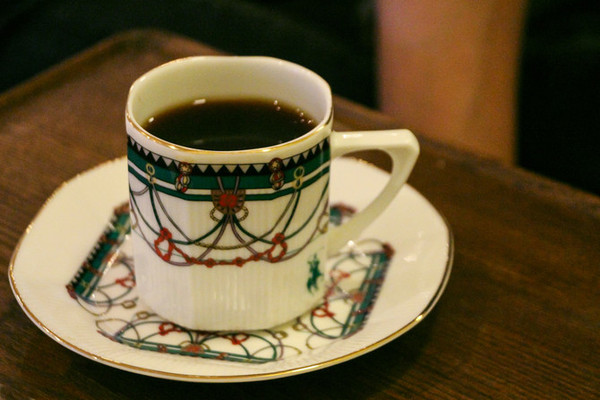
Charcoal roast coffee Japanese coffee charcoal roast coffee is the taste of charcoal roast coffee in Japan.
Charcoal roasted coffee is a Japanese coffee, refers to a taste, almost no acid, strong scorched bitterness and glycol, the taste is relatively strong. Authentic charcoal-roasted coffee is generally deeply roasted with carbon fire (gas, carbon fire and infrared), the color is dark, the taste is fragrant and mellow, the taste does not feel sour, if condensed milk has a flavor. Charcoal coffee scientific name: charcoal coffee